Choosing an Education That Fits
Breaking Away From The Current
As more families explore alternatives to traditional schooling, Waldorf education continues to spark curiosity for its holistic, hands-on, and nature-based approach. But how do you know if a Waldorf-inspired homeschool program is the right fit for your child? Here are five signs your child could truly thrive in a Waldorf environment—plus, why these qualities matter for both families and educators.
Does Your Child Love Learning Through Movement and Creativity?
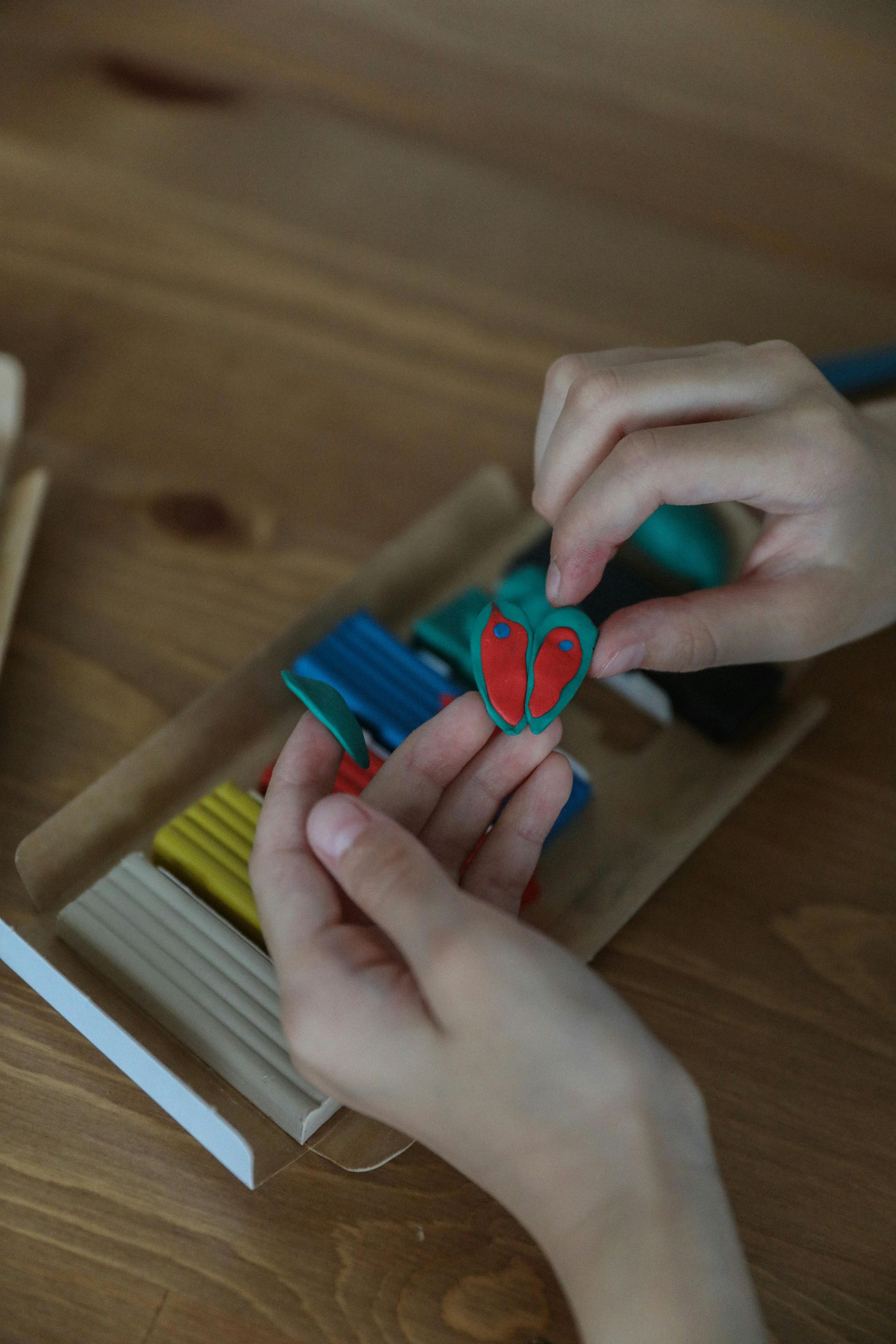
Education should weave the arts, music, and movement into every subject. If your child lights up during storytelling, handwork, painting, or games, they’ll feel right at home in a setting where learning is active and creative—not just sitting at a desk. Hands-on projects, nature walks, and plenty of time for artistic expression are crucial to a child's well-rounded development.
Are They Curious About the World—Not Just Academics?
Is your child the sort who asks “why?” about everything? programs that prioritize time outside nurture curiosity beyond textbooks, inviting kids to explore math, language, science, and the natural world through real-life experiences. Whether it’s gardening, woodworking, or exploring tidepools, teachers must encourage children to learn by doing and discovering.
Do They Thrive in a Gentle, Screen-Free Environment?
Many families seek alternative education because it offers a break from screens and worksheets, focusing instead on whole-child development. If your child benefits from a calm, nurturing atmosphere—one that values imagination, play, and human connection—they’ll find gentle rhythms and screen-free days deeply supportive.
Does Your Child Learn Best in Small, Mixed-Age Groups?
Does your child flourish in smaller settings or benefit from learning alongside peers of different ages? We intentionally keep class sizes small and group children by developmental stage, not just grade. This allows for personalized attention, peer mentoring, and a true sense of community.
A final thought to consider
Every child is unique, and the best educational path is one that honors their strengths and interests while meeting them where they are developmentally, in support and understanding. If this resonates with you, a Waldorf-inspired homeschool program might be worth considering.