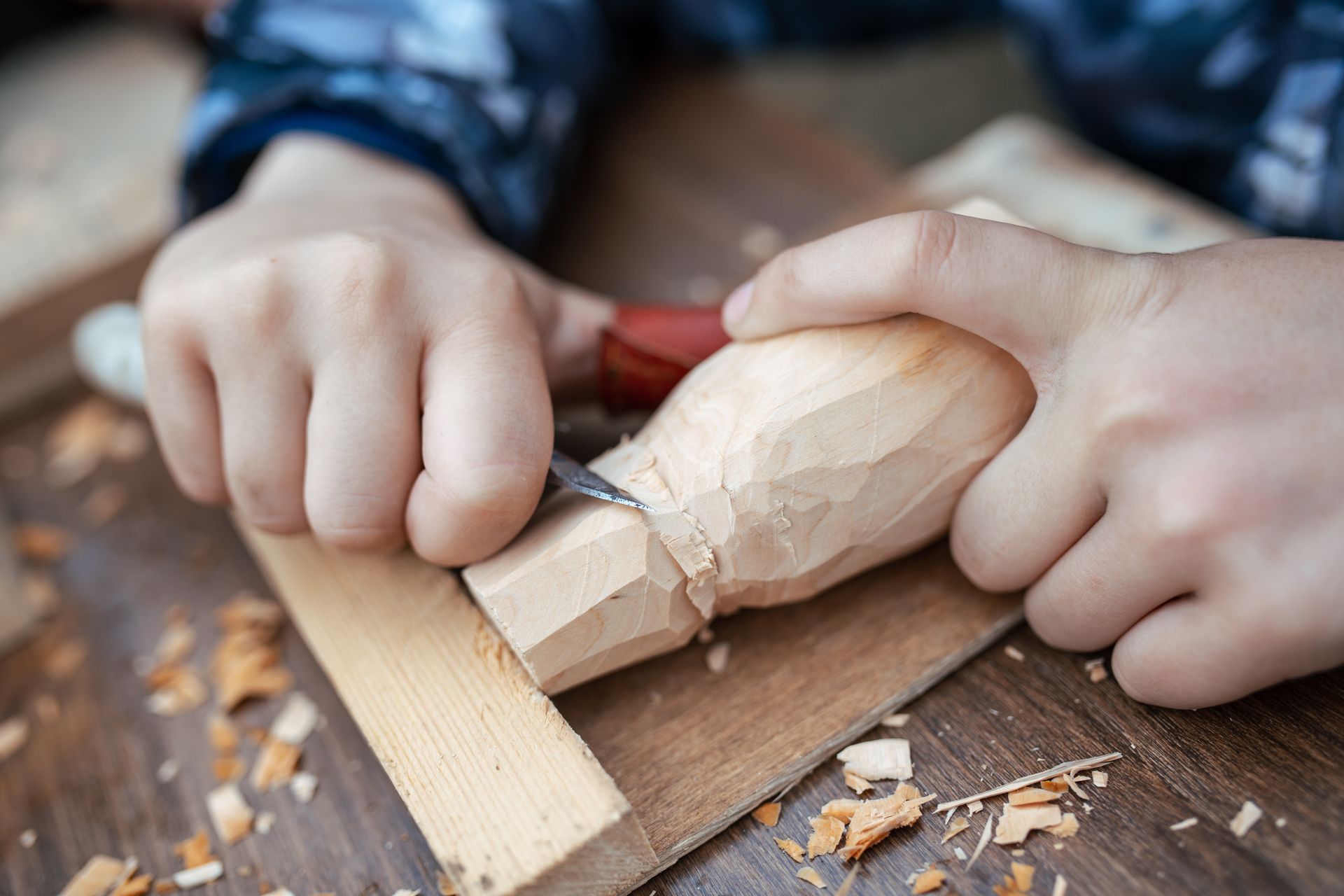
Shaping Stories With Our Hands

Joshua Wheeler • January 4, 2026

How sculptural arts can bring a story to life


When children shape with their hands as they listen to a story, the story comes alive in a new way. Sculptural arts create a quiet bridge between imagination and action, helping stories settle more deeply and meaningfully within the child.


A Simple Way to Enrich Storytime


Stories are not only meant to be heard—they are meant to be experienced. One of the ways we invite children into a deeper relationship with story is through beeswax modeling. As the teacher speaks, children warm the wax in their hands, shaping simple forms that grow directly from the images carried in the tale. This quiet movement of the hands helps the story settle more fully into the child, engaging the will alongside imagination and feeling. Beeswax is a particularly meaningful material for this work. It responds to warmth and patience, softening only when handled gently and with care. This natural resistance asks children to slow down, remain present, and work with intention. The scent, warmth, and subtle glow of the wax create a sensory experience that supports focus and calm, making it especially well-suited for story-based activities. In this way, the material itself becomes a teacher, guiding children toward attentiveness and care.


When we incorporate beeswax into storytelling, the forms we invite are always simple and symbolic. A seed, a star, a small animal, or a bowl is often enough. The aim is not to illustrate every detail of the story, but to offer the hands a quiet task that mirrors the inner images forming in the child. This balance allows children to listen more deeply, rather than becoming distracted or overwhelmed by the need to produce something “finished.” At the same time, beeswax holds a special place in the classroom — the heart of the practice lies in the act of shaping, not in the material itself. Parents and teachers can easily bring this approach into their own homes or classrooms using clay, plasticine, dough, or any other moldable medium. What matters most is the intention: telling the story first, offering one clear image to shape, and allowing the child to work without correction or comparison.


This practice of sculptural arts invites children into a gentle rhythm of listening and doing, imagination and movement. It supports fine motor development, concentration, and emotional regulation, while also honoring the child’s innate need to make meaning through the hands. Whether using beeswax or another modeling material, shaping stories offers a simple, powerful way to deepen the connection and nurture the whole child.
By Joshua Wheeler December 30, 2025
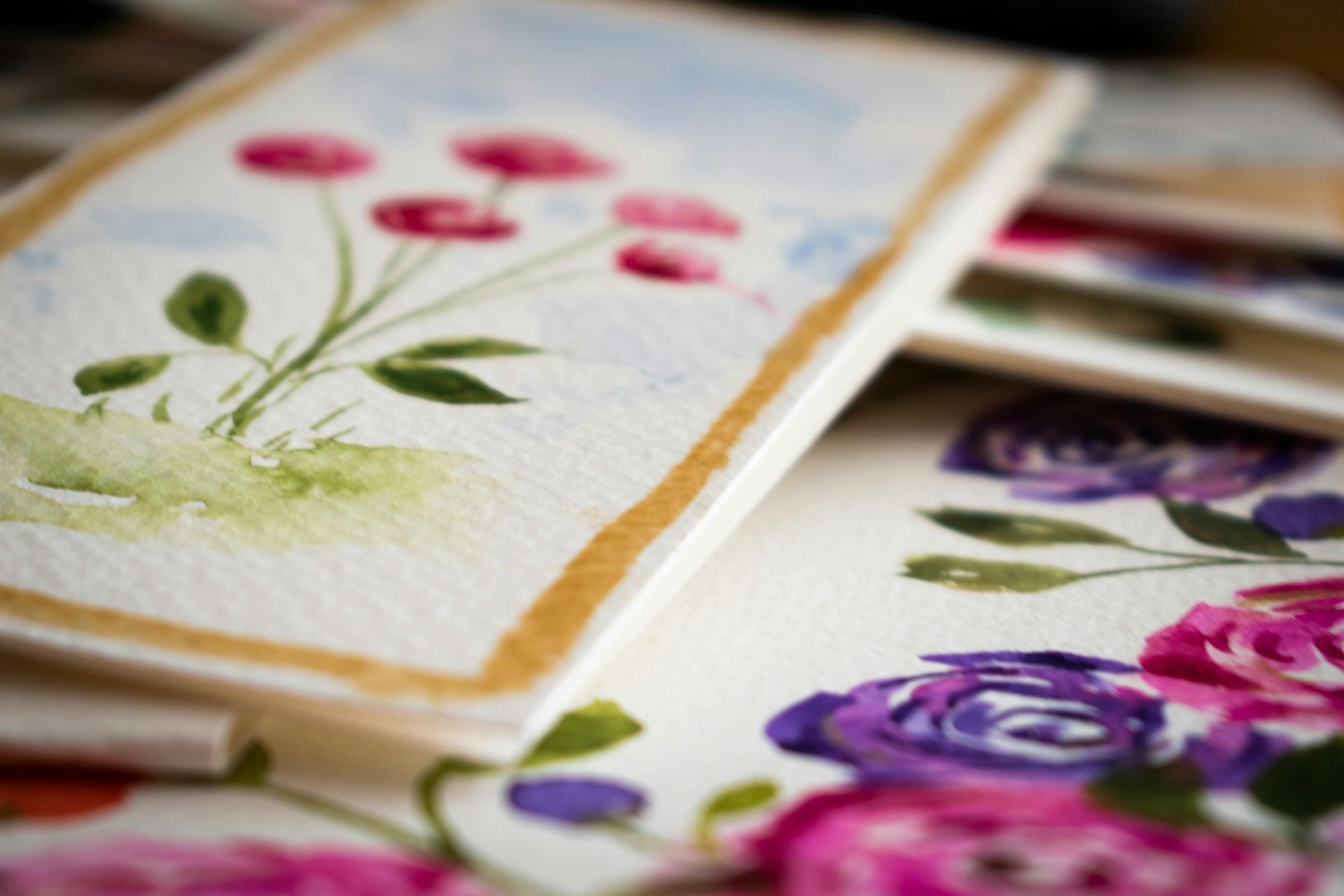
Managing the Materials, Guiding the Process, and Teaching Color Through Story While the flowing paints may seem messy at first, with careful preparation and guidance, children learn to move with the process, exploring how colors blend and interact. Through story and gentle instruction, this approach nurtures both artistic skill and a deep, intuitive understanding of color, helping children develop confidence, patience, and joy in creation.
By Joshua Wheeler October 2, 2025
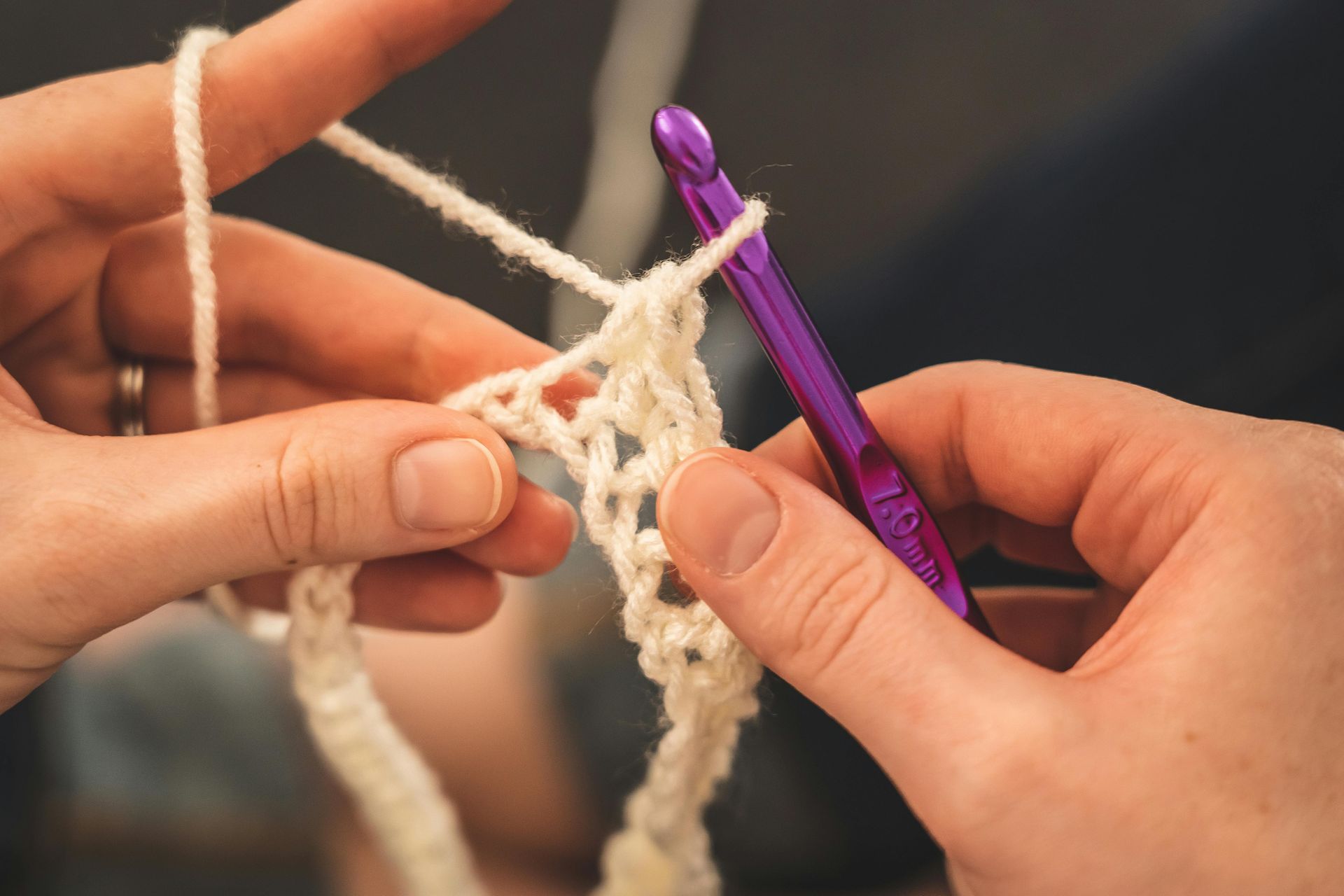
The quiet work of the year's end This time of year can feel quieter in the classroom, and for parents, that can sometimes raise questions. Yet this slowing is an essential part of the year's rhythm, offering children the space they need to integrate learning and prepare inwardly for the rapid growth soon to come in spring.
By Joshua Wheeler October 1, 2025
Breaking Away From The Current As more families explore alternatives to traditional schooling, Waldorf education continues to spark curiosity for its holistic, hands-on, and nature-based approach. But how do you know if a Waldorf-inspired homeschool program is the right fit for your child? Here are five signs your child could truly thrive in a Waldorf environment—plus, why these qualities matter for both families and educators. Does Your Child Love Learning Through Movement and Creativity? Education should weave the arts, music, and movement into every subject. If your child lights up during storytelling, handwork, painting, or games, they’ll feel right at home in a setting where learning is active and creative—not just sitting at a desk. Hands-on projects, nature walks, and plenty of time for artistic expression are crucial to a child's well-rounded development. Are They Curious About the World—Not Just Academics? Is your child the sort who asks “why?” about everything? programs that prioritize time outside nurture curiosity beyond textbooks, inviting kids to explore math, language, science, and the natural world through real-life experiences. Whether it’s gardening, woodworking, or exploring tidepools, teachers must encourage children to learn by doing and discovering. Do They Thrive in a Gentle, Screen-Free Environment? Many families seek alternative education because it offers a break from screens and worksheets, focusing instead on whole-child development. If your child benefits from a calm, nurturing atmosphere—one that values imagination, play, and human connection—they’ll find gentle rhythms and screen-free days deeply supportive. Does Your Child Learn Best in Small, Mixed-Age Groups? Does your child flourish in smaller settings or benefit from learning alongside peers of different ages? We intentionally keep class sizes small and group children by developmental stage, not just grade. This allows for personalized attention, peer mentoring, and a true sense of community. A final thought to consider Every child is unique, and the best educational path is one that honors their strengths and interests while meeting them where they are developmentally, in support and understanding. If this resonates with you, a Waldorf-inspired homeschool program might be worth considering.
Currents of Childhood Archive