Slowing Down To Leap Forward
The quiet work of the year's end
This time of year can feel quieter in the classroom, and for parents, that can sometimes raise questions. Yet this slowing is an essential part of the year's rhythm, offering children the space they need to integrate learning and prepare inwardly for the rapid growth soon to come in spring.
intentional rest
As the school year draws to a close, there is often a quiet invitation in the classroom to slow down. In a culture that tends to rush toward completion, it's important to pause, notice, and trust the rhythm that has been carrying us all year. This slowing is not a loss of momentum; it is a necessary gathering of strength, much like the earth itself in late winter, preparing for the surge of spring. Our school rhythms should be intentionally designed to allow for these seasonal changes. Periods of focused academic intensity are followed by times of integration, reflection, and consolidation. These patterns mirror the natural rhythms of childhood and the seasons, allowing learning to deepen rather than accumulate. Toward the end of the year, the curriculum often softens—stories widen, lessons become more integrative, and skills already introduced are revisited in ways that emphasize understanding over novelty. This is not an accidental easing, but a purposeful one.
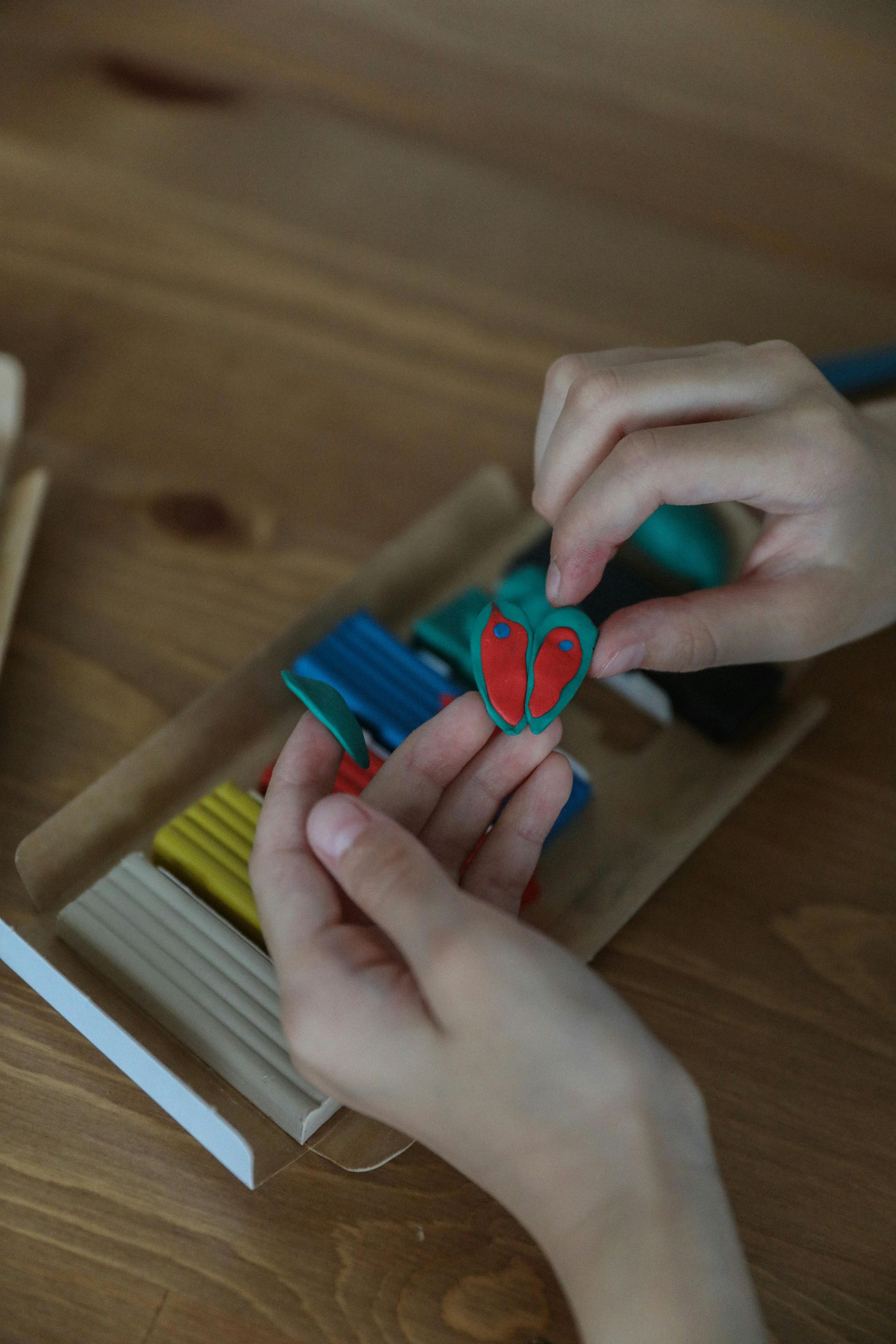
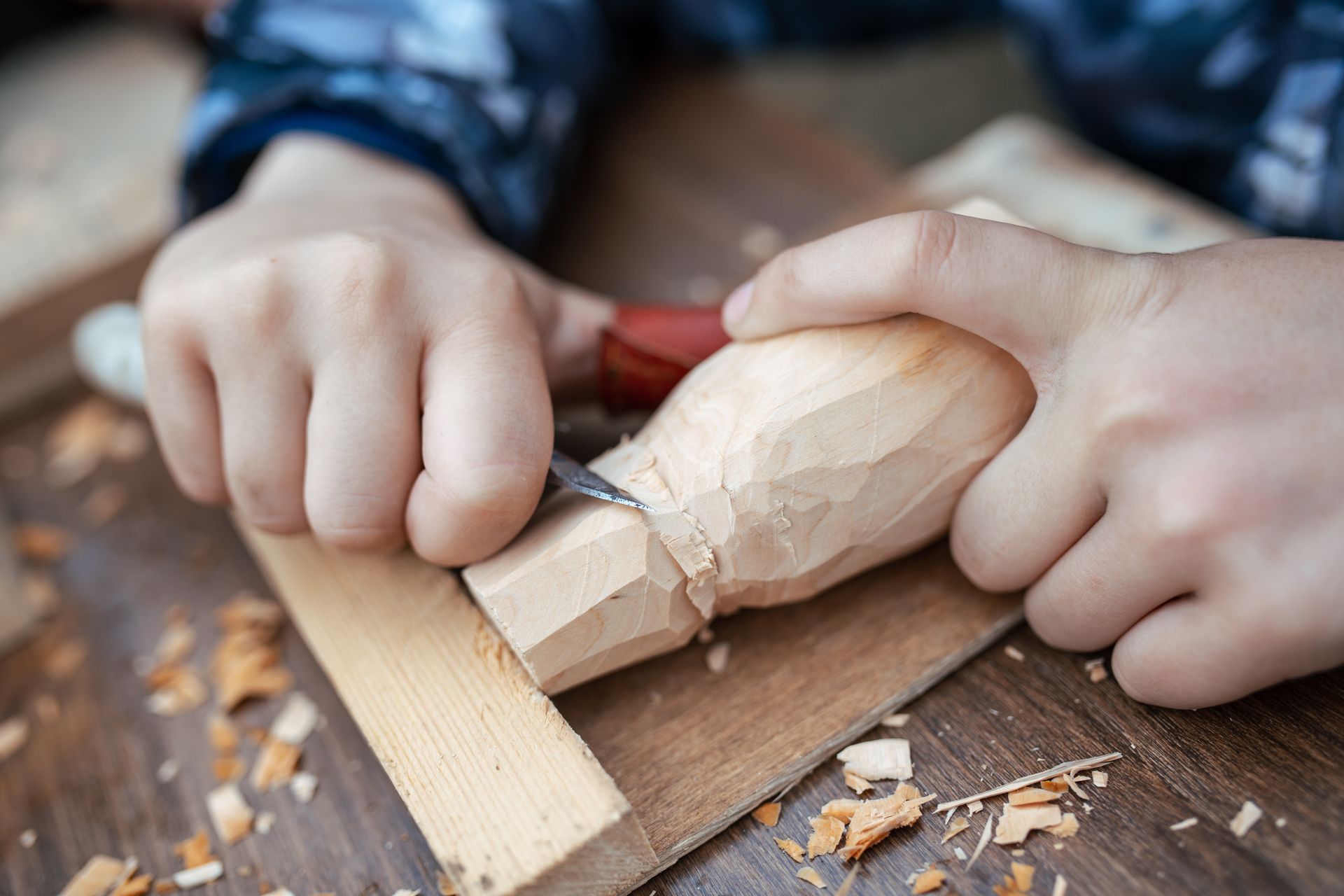
In the classroom, this shift can be felt in subtler ways. Mornings may carry a gentler pace when we begin our days by chopping vegetables and making soup while chatting about the week, building social and emotional capacity. Artistic work, movement, and storytelling take on a greater role. There is time to linger in a main lesson drawing, to sing familiar songs with renewed warmth, or to reflect together on how far the children have come. When we allow space rather than pressing ahead, they often meet it with calm, confidence, and a quiet readiness for what comes next.
Gathering momentum for what is to come
With that pause, beneath the surface, growth is gathering. Seeds are not rushed into bloom; they rest, accumulate warmth, and wait for the right moment. In the same way, children need periods of rest and integration to internalize what they have learned. When we slow down at the end of the year, we offer them the chance to consolidate skills, strengthen foundations, and build inner readiness for the leap forward that spring and lay a foundation for the next grade. For parents, this can be an important moment of trust in the process and understanding of the arc of education. Progress may look quieter now, less visibly productive, but something essential is taking place. Confidence is settling, Capacity is forming, and the child is preparing inwardly for new challenges. When we honor this rhythm, we support not only academic growth but the child’s relationship to learning itself.
Slowing down does not mean disengaging. It means listening more closely—to the children, to the curriculum, and to the season. By aligning ourselves with these rhythms, we allow learning to remain alive, meaningful, and deeply human. And when spring arrives, we find that the children are ready to jump—grounded, energized, and prepared for what lies ahead.